
Emergency Dentist New York
Quickly & Painlessly Restoring Smiles

Are you or a loved one experiencing a dental emergency? These instances can happen in the space between one moment and the next, and often when it’s most inconvenient to boot. Pick up the phone right now and contact Dr. Newman here at Gramercy Dental Studio! As an emergency dentist in New York, we do everything we can to see emergency cases as soon as possible and give you the relief and skilled support you need most during this trying time.
Why Choose Gramercy Dental Studio for Emergency Dental Care?
- Same-Day Emergency Appointments Available
- Get Scheduled in the Evening and On Weekends
- Nitrous Oxide In-House for Anxious Patients
What is Biomimetic Dentistry? I Need a Checkup & Cleaning I Have a Cavity/Broken Tooth I am Missing Teeth I Want to Enhance My Smile I Have Red, Tender Gums I Have Jaw Pain & Headaches View Our Services
How We Treat Dental Emergencies
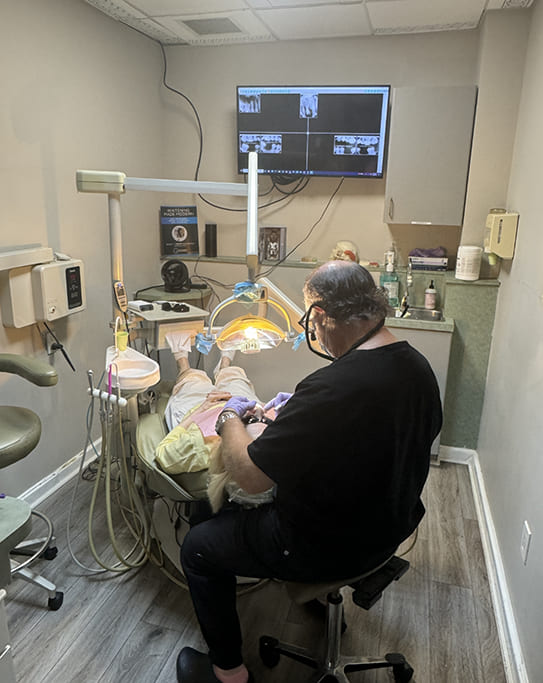
- Same-day appointment: When you get in touch with our office, we work quickly to get you seen the same day as well as offer first-aid tips over the phone to help manage any symptoms you are experiencing. On top of providing same-day appointments, we’re happy to be open on weekends and during evening hours of the day for your convenience.
- Emergency exam: After you arrive at our office, Dr. Newman will perform an emergency exam and determine if digital X-rays are needed to better understand your dental issue. He’ll also do what he can to immediately mitigate any discomfort.
- Review findings: Following your exam, our team will break down our findings with you and recommend services that will treat your symptoms and prevent future problems. This treatment plan is customized for you and includes estimated costs and the amount of time it will take to complete.
- Get the care you need: Common services we may recommend for your dental emergency include but are not limited to dental fillings, crowns, non-surgical periodontal therapy, root canals, and tooth extractions.
The Most Common Dental Emergencies
Toothaches, damaged and knocked-out teeth, and oral infections are just a few of the dental emergencies we treat at Gramercy Dental Studio. Our office also provides professional care for the dental emergencies found below. You can learn how to best manage these situations before you arrive at our office. Just don’t let them be a substitute for calling and scheduling an appointment with Dr. Newman!
Understanding the Cost of Emergency Dentistry

The cost of emergency dentistry in New York varies from patient to patient. You may be tempted to put it off, especially if you think “it’s not that big of a deal.” However, doing so can lead to more serious issues that cost more time and money.
Once a member of our team evaluates your situation, a more accurate explanation of the entire process will be provided. The good thing about dental care is that is usually much less expensive than if you were undergoing a medical emergency. This is why you can count on us to discuss the potential cost of your care, as we will have a clear understanding of the problem and how we plan to treat it. You can trust that Dr. Newman and our team will identify ways to keep your costs low and affordable. We’ll also be happy to process your dental insurance claims to help offset the out-of-pocket costs of your treatment.
Every Dental Emergency Is Different
Because we cannot predict how much your emergency dental visit will cost, it’s imperative that you schedule a visit with us so we can take a look and make one or more necessary recommendations. If seen early enough, you may only require antibiotics, which can be relatively cheap. But if you wait until your problem worsens, you can be faced with more extensive and complex dental care, including:
- Root canal therapy
- Tooth extraction
- Dental crowns
- Periodontal treatment
- And more…
Does Dental Insurance Cover Dental Emergencies?
Some dental insurance companies may pay for one emergency exam each year. You’ll need to check with your insurer to find out if this is available. Of course, much of the cost associated with your care will be tied to the type of treatment recommended by Dr. Newman. When examining your plan, you will likely receive anywhere from 50-80% off the total cost based on your deductible and annual maximum. At Gramercy Dental Studio, we will help you through the financial process, working on your behalf to file any claims and necessary paperwork to make your experience less stressful.
Other Options for Making Dental Emergencies Affordable
If you are uninsured or need help to keep your dental emergency costs more affordable, your emergency dentist in New York is pleased to provide financing options and accepts everything from Visa and Mastercard to Discover and American Express. By seeking alternative ways to pay for your upcoming treatment, you can better manage your budget while taking care of your developing smile.
Taking Care of Your Smile Can Save You Money
It’s not always possible to avoid dental emergencies, but it is possible to minimize the severity of your problem by seeking treatment early on. When a nagging toothache won’t go away or an infection forms because of poor oral hygiene, it’s far better to see a professional early on instead of waiting for it to get better on its own. With regular dental checkups and good at-home oral habits practiced, you can reduce your risk for dental emergencies and maintain a healthier smile. You’ll also likely save thousands of dollars on restorative treatment over time.
This is why Dr. Newman stresses the importance of seeing a professional as soon as possible. The longer you wait, the greater your risk for an abscess, gum disease, tooth decay, cavities, and more. Even if the damage doesn’t cause immediate pain, the problem can exist in areas you cannot see and may require you to undergo extensive procedures like root canal therapy, periodontal therapy, tooth extraction, or other forms of oral surgery.
Keys to Preventing Dental Emergencies

Not all dental emergencies can be avoided, but they’re actually more preventable than they seem. While it’s impossible to predict a sudden accident that breaks or knocks out a tooth, most emergencies arise when an oral health issue has been brewing beneath the surface for some time, culminating in pain once it has reached a certain point. Luckily, you can dramatically reduce your risk of smile damage by making a few tiny changes to some of your daily habits. Here are five easy ways that you can prevent dental emergencies in New York.
Visit Our Dental Office Regularly
Many oral health concerns are barely noticeable at first, but Dr. Newman can detect them early enough that they can be treated before they harm your smile. For this reason, you should visit us for checkups and cleanings regularly, usually twice a year. In addition, our team can give you a professional teeth cleaning to remove built-up plaque and tartar deposits that you may have missed in your at-home oral care routine. Since these substances are frequently to blame for tooth decay and infections, having them cleared away at regular intervals goes a long way toward avoiding the need to visit an emergency dental office in New York.
Keep Your Smile Clean at Home
Committing to a great oral hygiene routine is another effective method of preventing dental emergencies. Twice a day, spend at least two minutes gently brushing every surface of your teeth with a soft-bristled toothbrush. We also highly suggest that you floss every night before bed; it’s the only way to remove food debris and bacteria from between your teeth.
Watch What You Eat
A balanced diet will benefit your smile just as much as it will your overall health. Enjoying sugary sweets in moderation is fine, but make sure your diet primarily consists of nutritious foods, like fruits, vegetables, dairy products, and lean meats. Not only will you reduce your sugar intake (which in turn lowers your risk of cavities), but you’ll also be getting the vitamins and minerals you need to promote healthy teeth and gums.
Protect Your Pearly Whites
Do you play a sport that carries the risk of impact to the face? Do you frequently wake up with sore teeth due to nighttime teeth grinding? If your answer to either of these questions is “yes,” then it’s worth your while to invest in a custom mouthguard. These oral appliances fit comfortably over your teeth, shielding them from damage due to sports-related injuries or long-term wear and tear from teeth grinding.
Don’t Use Your Teeth as Tools
Cracking open a bottle or tearing a package open with your teeth might sound like a time-saver but trust us when we say it’s just not worth it. The few seconds you may have saved with these dangerous habits could easily lead to a chipped tooth or other dental emergency. Protect your smile by taking the extra time to reach for the bottle opener or other appropriate tool.
Dental Emergency FAQs
If you’re facing a dental emergency, you probably have questions. Not to worry. That’s why we’ve compiled this list of frequently asked questions about dental emergencies to help you get back to your life more quickly and easily. If you’re experiencing a dental emergency, don’t hesitate to contact our New York dental office.
What If My Child Knocks Out a Baby Tooth?
If an adult loses a tooth, you should try to reattach it if you can. However, do NOT do this for a primary tooth. A baby tooth should not be replanted. It could cause damage while the underlying adult tooth is still developing.
Are Dental X-Rays Safe?
X-rays are a perfectly safe and normal part of a visit to the dentist’s office. They only have a very small risk, because the levels of radiation are kept so low. Still, they are necessary after a dental emergency so that Dr. Newman can see what’s wrong and come up with a plan to treat you. High-speed films are used to keep your exposure to radiation to an absolute minimum.
Do Root Canals Hurt?
If your tooth is chipped to the point where the nerves are exposed, or if your tooth has fallen out and needs to be reattached, Dr. Newman may recommend a root canal. This is where the nerve of a tooth is removed and replaced with synthetic material. Root canals have a reputation for being scary and painful, but thanks to modern dentistry, there is nothing to be afraid of. Before the procedure begins, Dr. Newman will make sure you are nice and numb, so you don’t feel a thing. In addition, sedation is available for our more anxious patients to calm their nerves.
What if My Toothache Suddenly Disappears?
If your toothache suddenly disappears, there’s a good chance that the nerve of your tooth has been “killed” by an infection. So, don’t wait any longer; schedule an appointment at Gramercy Dental Studio ASAP. Once Dr. Newman has the opportunity to learn about your symptoms, take a look at your X-rays, and conduct an oral exam, he can determine which restorative treatments are needed to give you a healthy smile again.
Should I Visit the Emergency Room First for Dental Emergencies?
Unless you’re experiencing potentially life-threatening symptoms, like uncontrollable bleeding, you should not go to the ER (they don’t typically have dentists on-staff). Instead, you should call your dentist ASAP. Over the phone, they can schedule an emergency appointment and walk you through what to do in the meantime to prevent your dental injury from getting worse.
Can I Pop a Dental Abscess on My Own?
You should never pop a dental abscess on your own. The best thing to do is call us so we can open and drain it safely. At this time, we can also determine if any further care is needed to eliminate the infection, like a root canal. We’ll also give you some helpful information on what you should do (and what you shouldn’t do) to keep your smile healthy between visits.
Do I Need to Go to The Dentist for A Small Chip in My Tooth?
It’s important to get an appointment with us on the calendar, even if it’s a week or two from now. Remember, small chips may not seem urgent, but an infection can develop, and the tooth is at-risk of breaking further. To prevent either from happening, rinse with clean, room-temperature water periodically, cover the tooth with sugar-free gum or dental wax, and don’t eat on that side of your mouth. If you’re in pain, you can take OTC pain medication as directed too.
Is It Safe to Repair Dentures with Superglue?
Since superglue contains chemicals that are not safe to ingest, you should not use it to repair your dentures. You also shouldn’t use any other household adhesives or DIY repair kits since they do more harm than good. Whether there is a small break in your restoration or it has broken into several pieces, the best thing to do is call us so we can begin the process of repairing or replacing it.
Is It Safe to Use A Toothpick?
We don’t recommend using toothpicks because they can irritate your gums. Plus, wooden ones can break off inside your mouth, and they can be especially dangerous if accidentally swallowed. If you have something stuck between your teeth, we recommend rinsing with warm saltwater and using floss instead. If that doesn’t work, call us to schedule an appointment!
